
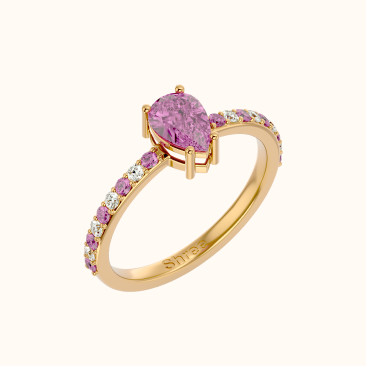

Pink tourmaline is a gemstone that captivates with its soft blush tones, vibrant pinks, and romantic allure. Celebrated not only for its beauty but also for its metaphysical properties—symbolising love, compassion, and emotional balance—this gemstone is a favourite in rings, earrings, pendants, and bracelets. But not all pink tourmalines are created equal. Understanding the factors that define quality is essential for choosing a piece that sparkles with brilliance and longevity. This guide explores the three key elements to consider: cut, clarity, and colour.
1. The Importance of Colour in Pink Tourmaline
Colour is the first and most striking feature of any pink tourmaline. The gemstone can range from soft pastel pinks to deep, vivid magentas. When assessing colour quality:
-
Hue: The pure pink hues are highly prized, while stones with brown or orange undertones may be less valuable. The most desirable pink tourmalines have a vibrant, lively hue that is evenly distributed throughout the stone.
-
Saturation: Saturation refers to the intensity of the colour. High-quality pink tourmaline exhibits strong, vivid saturation without appearing dark or muted.
-
Tone: Tone describes the lightness or darkness of the colour. Medium to medium-dark tones are generally the most appealing, as they give the stone a rich, glowing appearance.
Tip: Look at the stone under natural light whenever possible. Artificial lighting can alter the perceived colour, sometimes making the stone appear more brilliant than it is in daylight.
2. Cut: Enhancing Brilliance and Sparkle
A gemstone’s cut dramatically impacts its brilliance and overall aesthetic. Pink tourmaline can be found in various cuts, each designed to highlight its natural beauty:
-
Round Cut: Offers maximum sparkle and classic elegance.
-
Oval Cut: Elongates the stone and emphasises colour depth.
-
Emerald or Cushion Cut: Adds a sophisticated, vintage appeal, ideal for rings and statement pieces.
-
Fancy Cuts (Heart, Pear, Marquise): Provide unique shapes that make jewellery more personalised and eye-catching.
When evaluating the cut:
-
Check symmetry and proportion. Well-cut stones reflect light evenly, enhancing the stone’s natural brilliance.
-
Avoid stones with shallow or uneven cuts, as these may appear dull or lifeless.
-
Consider how the cut complements the intended jewellery design; some shapes showcase colour better than others.
3. Clarity: Appreciating Purity and Transparency
Clarity refers to the presence of inclusions or internal flaws within the gemstone. Pink tourmaline is generally clean to the eye, but natural inclusions can occur. Understanding clarity helps in choosing a high-quality stone:
-
Eye-Clean Stones: The most desirable pink tourmalines have minimal inclusions, invisible to the naked eye.
-
Minor Inclusions: Small inclusions are common and acceptable if they do not affect the stone’s transparency or brilliance.
-
Impact on Durability: Large or prominent inclusions can compromise the stone’s strength and make it more prone to chipping.
Tip: Examine the stone from multiple angles under good lighting to ensure clarity is consistent and inclusions do not detract from its beauty.
4. Size and Carat Weight Considerations
While larger pink tourmalines are striking, quality should always outweigh size. A smaller, high-quality stone often looks more brilliant and valuable than a larger stone with poor colour, cut, or clarity. Balance size with quality for the most aesthetically pleasing piece.
5. Certification and Authenticity
High-quality pink tourmaline should come with certification from a reputable gemological laboratory. Certification ensures that the gemstone is natural, authentic, and accurately graded for colour, clarity, cut, and carat weight. This is particularly important when investing in high-value jewellery or heirloom pieces.
6. Matching Jewellery Design with Pink Tourmaline
Once you’ve assessed the gemstone’s colour, cut, and clarity, consider how it integrates with jewellery design:
-
Solitaire Rings: Showcase the beauty of the pink tourmaline as the centrepiece.
-
Halo Settings: Enhance brilliance by surrounding the gemstone with diamonds or white sapphires.
-
Pendants and Earrings: Highlight colour depth with designs that allow light to pass through the stone, enhancing sparkle.
Selecting a stone that complements its setting ensures both visual appeal and longevity.
7. Personal Preferences and Lifestyle Considerations
Choosing pink tourmaline isn’t just about technical factors—it’s also about your personal style and lifestyle:
-
Colour Preference: Select a hue that resonates with you, whether soft pastel or vivid pink.
-
Daily Wear: For rings and bracelets worn frequently, prioritise durability and clarity.
-
Statement Pieces vs. Everyday Jewellery: Consider whether the gemstone is meant to impress or for casual elegance.
Conclusion
Selecting high-quality pink tourmaline is a balance of colour, cut, and clarity. Look for a stone with vibrant, evenly distributed colour, a well-proportioned cut that maximises brilliance, and clarity that is free from visible inclusions. Complement these attributes with thoughtful design and personal preference to ensure your pink tourmaline jewellery not only dazzles but also stands the test of time.
At Shree Jewellery, every pink tourmaline is carefully selected and crafted to highlight its natural beauty. Whether you’re investing in an engagement ring, a special gift, or a personal indulgence, understanding these key qualities ensures you choose a gemstone that is both breathtaking and enduring.
With the right guidance, your pink tourmaline jewellery will shine as a timeless symbol of elegance, love, and sophistication.